Lecture by Gürsoy Doğtaş
Retour à Hanovre
The lecture Retour à Hanovre takes a family biography as its starting point and examines the political and economic structures that shaped it. On October 15, 1971, the mother of art historian Gürsoy Doğtaş came to Germany as part of the state-organised recruitment of foreign workers. His father had arrived several years earlier; he initially worked underground in the Ruhr region and later at Siemens in Hanover. From June 1972 onwards, his mother also worked on the assembly line at Telefunken in Hanover for more than 25 years. The Federal Republic recruited workers in order to sustain economic growth that would not have been possible without their labour. At the same time, their stay was intended to be temporary. Migrant women were often employed in so-called low-wage groups. Their political activities could be restricted, while dependencies relating to residency status further limited the options available to many women.
The lecture explores how migrant artists made the lived realities, conflicts and political demands of migrant workers visible: assembly-line labour, life in barracks and collective accommodation, the insecurity of residency status, family separation and racist violence. Their work gave voice to issues that were often excluded from public discourse, the press, politics and the art world. Some of these artists had themselves been recruited as workers and developed their artistic practices outside their shifts or during work breaks. In several exhibitions, Gürsoy Doğtaş has brought these positions together. In doing so, he builds on earlier research while also including artists who have so far received little attention within exhibition discourse.
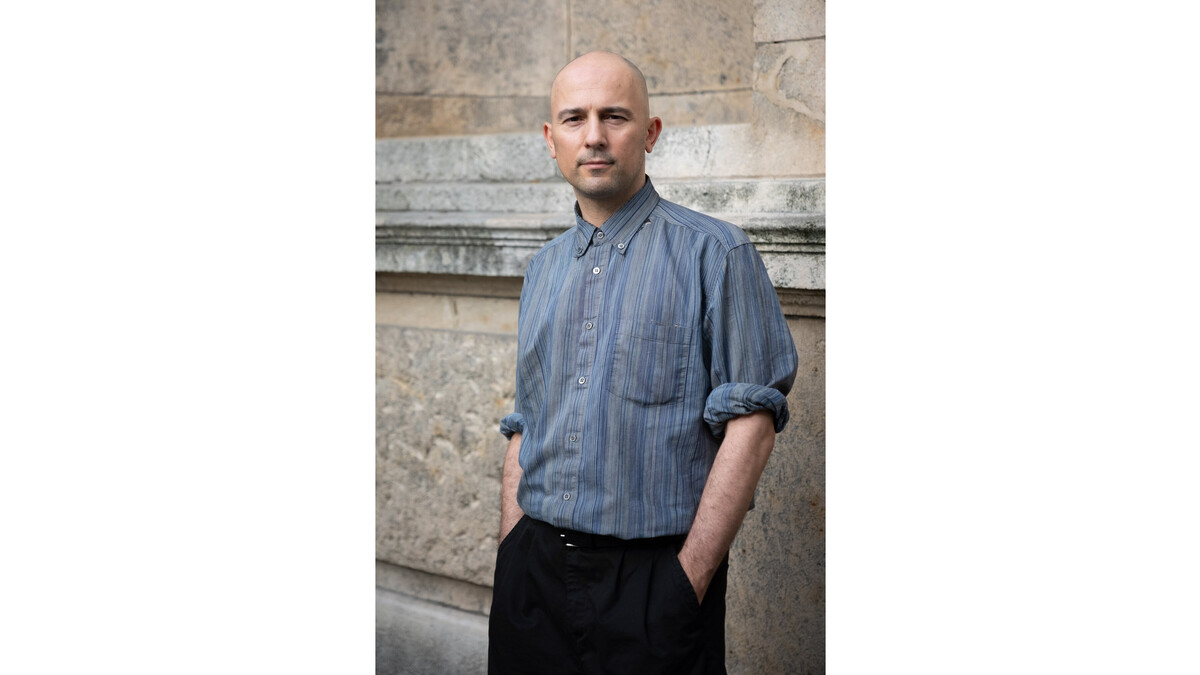
Dr Gürsoy Doğtaş is a curator and art historian. His work focuses on the intersections of migration history and intersectional queer history. As Creative Mediator for Manifesta 16 Ruhr (21 June–4 October 2026), he is responsible for the three former churches in Gelsenkirchen. Together with Patrizia Dander, he is curating the exhibition Kreuzberg: Kunst und Migration seit 1960 at the Gropius Bau in Berlin (10 September 2026–17 January 2027). His curatorial projects include There is no there there at the Museum für Moderne Kunst in Frankfurt (2024), Annem işçi – Wer näht die roten Fahnen? at Museum Marta Herford in Herford (2024), Gurbette Kalmak / Bleiben in der Fremde (2023) at Taxispalais in Innsbruck, and the festival What Would James Baldwin Do? (2024) in Berlin, as well as the symposium Public Art: Das Recht auf Erinnern und die Realität der Städte (2021) in Nuremberg. From 2022 to 2023, he was a guest professor at the Institute for Art in Context at the Berlin University of the Arts. From autumn 2024 to summer 2025, he was a QuiS Visiting Research Fellow at the Städelschule and Goethe University Frankfurt.